Solid Hardwood Floor Installation: What Homeowners Should Know
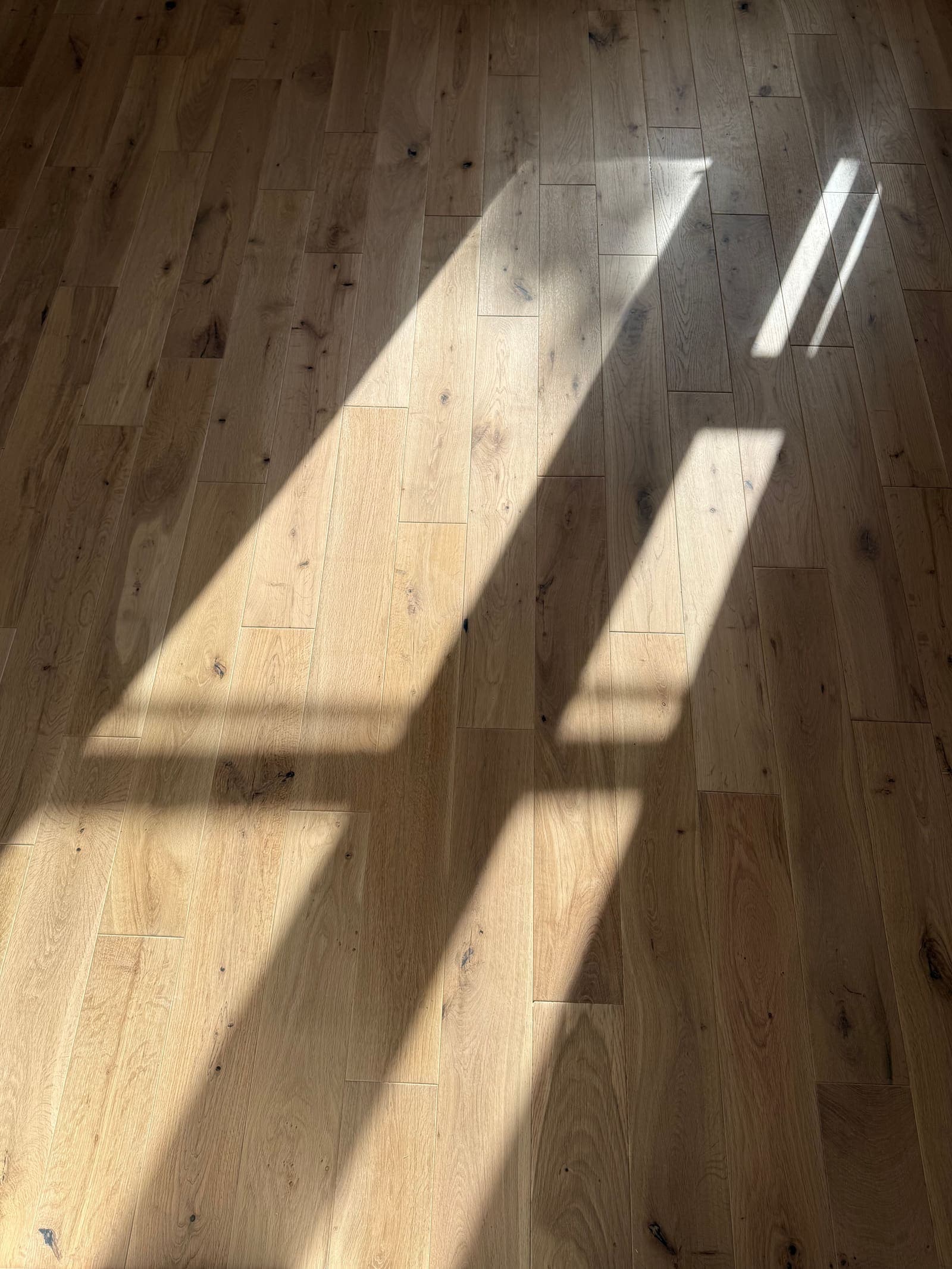
A beautiful hardwood floor begins long before the first plank is installed. While homeowners often focus on wood species, color, and finish, the quality of the installation is just as important as the flooring itself.
Why Preparation Matters in the Pacific Northwest
Proper solid hardwood floor installation requires careful subfloor preparation, moisture evaluation, appropriate acclimation, and installation methods that meet the flooring manufacturer's requirements.
For homeowners in Vancouver, WA, and the surrounding Clark County communities, these steps are especially important. The Pacific Northwest's wet winters, crawl spaces, and seasonal humidity changes can influence how wood flooring performs over time.
At Skyview Flooring, our family-owned flooring installation business has served the area since 2007. We understand that the difference between a floor that simply looks beautiful and one that performs well for years often comes down to the preparation beneath it.
Here's what homeowners should understand before investing in solid hardwood flooring.
Understanding Solid Hardwood Flooring
Solid hardwood flooring is manufactured from a single piece of natural wood. Unlike engineered hardwood, which consists of a real wood surface bonded to multiple layers, solid hardwood maintains the same wood construction throughout the plank.
One of its greatest advantages is longevity. Depending on the thickness, condition, and installation, many solid hardwood floors can be sanded and refinished multiple times.
However, natural wood also responds to environmental conditions. When humidity increases, wood absorbs moisture and expands. When conditions become drier, it releases moisture and contracts.
This seasonal movement is normal, but improper installation can contribute to excessive gaps, cupping, buckling, and other flooring problems. Understanding how wood behaves is essential to choosing the appropriate installation method.
Why Subfloor Preparation Is So Important
A hardwood floor is only as reliable as the surface supporting it.
Before installation begins, the existing subfloor should be evaluated for structural integrity, moisture conditions, flatness, and any damage that could affect the finished flooring.
Subfloor Flatness
A subfloor does not necessarily need to be perfectly level, but it must meet the flooring manufacturer's flatness requirements.
Uneven surfaces can create unwanted movement, squeaking, and visible irregularities in the finished floor. Depending on the conditions, preparation may include:
- Sanding or correcting raised subfloor seams.
- Securing loose plywood or OSB panels.
- Addressing squeaks caused by movement.
- Correcting low areas using approved methods.
- Replacing damaged or unsuitable subfloor materials.
- Removing debris, protruding fasteners, and incompatible existing materials.
The appropriate corrections depend on the flooring product, subfloor construction, and installation method.
Particle Board and Subfloor Replacement
During remodeling projects, homeowners sometimes discover particle board beneath their existing flooring.
Particle board is generally not an acceptable substrate for mechanically fastened solid hardwood flooring. Depending on the existing construction, it may need to be removed and replaced with suitable plywood or another manufacturer-approved subfloor system.
At Skyview Flooring, subfloor preparation and replacement are among the services we provide when required for a flooring installation. Correcting these conditions before installation helps establish a more stable base for the new hardwood.
Moisture Testing and Acclimation
Moisture is one of the most important considerations when installing solid hardwood flooring.
Wood naturally expands and contracts as its moisture content changes. Excessive moisture differences between the flooring, subfloor, and surrounding environment can lead to installation problems.
Evaluating Moisture Conditions
Before installation, the moisture conditions of the hardwood and substrate should be evaluated according to the flooring manufacturer's requirements.
For wood subfloors, this may involve moisture meter readings from both the flooring and subfloor.
The acceptable moisture content and allowable difference between materials depend on the product and manufacturer's specifications.
Why Pacific Northwest Homes Require Attention
Homes throughout Vancouver, Camas, Ridgefield, Battle Ground, and the Portland area may have crawl spaces or other conditions that influence moisture beneath the flooring.
Potential concerns include exposed soil, standing water, plumbing leaks, and inadequate moisture control.
Installing hardwood over an unresolved moisture problem can affect the performance of the finished floor. A moisture-retarding underlayment is not a substitute for correcting an active moisture issue.
Proper Hardwood Acclimation
Acclimation allows flooring to adjust to the environmental conditions in which it will be installed.
However, acclimation is not simply leaving hardwood inside a home for a predetermined number of days.
The appropriate process depends on the flooring manufacturer's instructions, the product's moisture content, and the home's normal temperature and humidity conditions. The objective is to ensure the flooring and installation environment are suitable before installation begins.
Choosing the Right Solid Hardwood Installation Method
Solid hardwood flooring can be installed using different methods depending on the flooring product, substrate, and manufacturer's requirements.
The correct installation method is determined by the flooring manufacturer's requirements and actual site conditions—not simply by installer preference.
- Nail-down installation — Mechanical fastening is a common method for installing solid hardwood over suitable wood subfloors. Specialized flooring nailers use approved flooring cleats or staples to secure the hardwood. Proper installation requires attention to fastener type, length, spacing, and placement. These details are particularly important because different hardwood thicknesses and subfloor assemblies may require different fastening specifications.
- Glue-assisted installation — Some hardwood flooring products and installation systems permit adhesive to be used in conjunction with mechanical fasteners. When approved, this method may help support the installation of certain plank widths or flooring systems. However, glue-assisted installation is not universally approved for all solid hardwood products. The adhesive, fastening schedule, substrate, and installation procedure must be compatible with the manufacturer's instructions.
- Full-spread adhesive installation — Certain solid hardwood products may be approved for full-spread adhesive installation over specific substrates. Because solid hardwood is sensitive to moisture and dimensional movement, this method should only be used when the flooring and adhesive manufacturers approve the complete installation system.
Planning Hardwood Flooring Layout and Expansion Space
Hardwood flooring layout affects both the finished appearance and the installation process.
Before installation, important considerations include the direction of the flooring, room dimensions, doorways, transitions, staircases, and the existing subfloor structure.
The direction of the hardwood may also be influenced by structural requirements and the manufacturer's installation instructions.
Allowing Natural Wood Movement
Solid hardwood requires appropriate expansion space around walls and other fixed objects.
This space accommodates natural seasonal movement and is typically concealed by baseboards or appropriate trim.
The required expansion clearance depends on the flooring product and installation conditions. Failing to provide adequate movement space can contribute to compression and buckling.
Transitions and Finishing Details
Doorways, stair openings, fireplaces, cabinets, and changes in flooring height require careful planning.
Addressing these details before installation helps produce a cleaner finished appearance and reduces the need for adjustments later.
What Homeowners Should Expect During Installation
A professional hardwood flooring project involves more than installing planks. Depending on the scope of work, the process may include:
- Initial evaluation: Review the existing flooring, subfloor conditions, installation area, and selected hardwood product.
- Removal and preparation: Remove existing flooring when included, inspect the exposed substrate, and perform necessary preparation.
- Moisture and environmental evaluation: Confirm that site conditions meet the applicable installation requirements.
- Layout planning: Determine plank direction, starting points, transitions, and expansion clearances.
- Hardwood installation: Install the flooring using the manufacturer-approved method and fastening or adhesive system.
- Finishing details: Complete transitions, baseboards, trim, and other agreed-upon finishing work.
- Final inspection and cleanup: Review the completed installation and leave the work area clean.
Not every project requires the same preparation or services.
A detailed written estimate should identify what is included and explain how unexpected subfloor conditions or additional work will be handled.
Common Hardwood Installation Mistakes to Avoid
Many hardwood flooring problems begin with decisions made before or during installation.
- Installing over an uneven subfloor — Ignoring excessive high and low areas can affect the finished floor's appearance, stability, and performance.
- Skipping moisture evaluation — Installing hardwood without adequately evaluating moisture conditions can increase the risk of movement-related problems.
- Using an incorrect installation method — Fasteners, adhesives, and underlayments must be compatible with the flooring and substrate. An installation method that works for one hardwood product may not be appropriate for another.
- Ignoring manufacturer requirements — Even experienced installers must account for product-specific instructions. Following those requirements helps support the flooring's intended performance and may be necessary to maintain applicable warranty coverage.
- Overlooking existing subfloor damage — Covering damaged or unsuitable subfloor materials does not correct the underlying problem. Proper preparation may require additional work, but addressing these conditions before installation is generally more practical than repairing problems after the new flooring is installed.
Caring for Solid Hardwood After Installation
Proper maintenance helps preserve the appearance and performance of hardwood flooring. Homeowners should follow the flooring manufacturer's care instructions, including recommendations for cleaning products and indoor environmental conditions.
General maintenance practices include:
- Cleaning spills promptly.
- Using protective pads beneath furniture.
- Placing mats near exterior entrances.
- Avoiding excessive water during cleaning.
- Maintaining appropriate indoor humidity.
- Keeping abrasive dirt and debris off the floor.
Some seasonal movement is normal for natural hardwood. However, excessive gaps, cupping, buckling, or significant changes in the flooring should be evaluated to identify potential moisture or installation concerns.
Professional Hardwood Flooring Installation in Vancouver, WA
Choosing hardwood flooring is an investment in your home's appearance, comfort, and long-term value. The installation deserves the same consideration as the material itself.
Skyview Flooring is a locally owned, family-operated flooring installation company serving Vancouver, Camas, Ridgefield, Battle Ground, Washougal, and surrounding Clark County communities, as well as the Portland area.
Since 2007, our family business has completed residential and commercial flooring projects ranging from individual rooms to large new construction installations.
Our services include solid hardwood and engineered hardwood installation, subfloor preparation and replacement, stairs, and finishing details such as baseboards and transitions.
We believe proper preparation, clear communication, and attention to manufacturer requirements are essential to delivering quality workmanship.
Planning a Hardwood Flooring Project?
Whether you're replacing existing flooring, renovating your home, or preparing for new construction, Skyview Flooring can help evaluate your installation needs and provide a detailed estimate.
Visit Skyview Flooring to learn more about our installation services and request a free flooring estimate.
You can also explore our Flooring Cost Calculator for a preliminary estimate of flooring installation labor costs.
A beautiful hardwood floor starts with the right preparation—and the right installer.