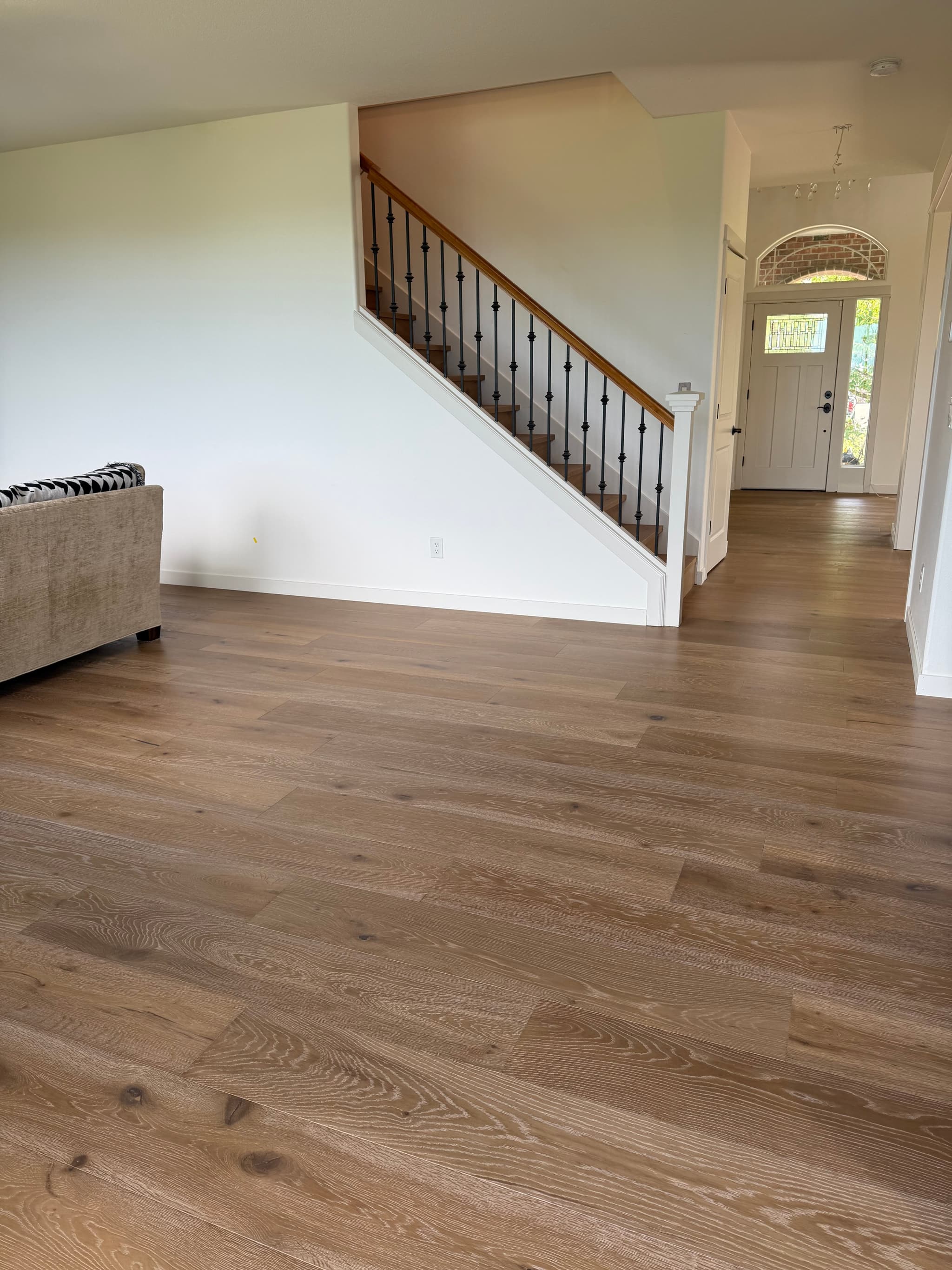
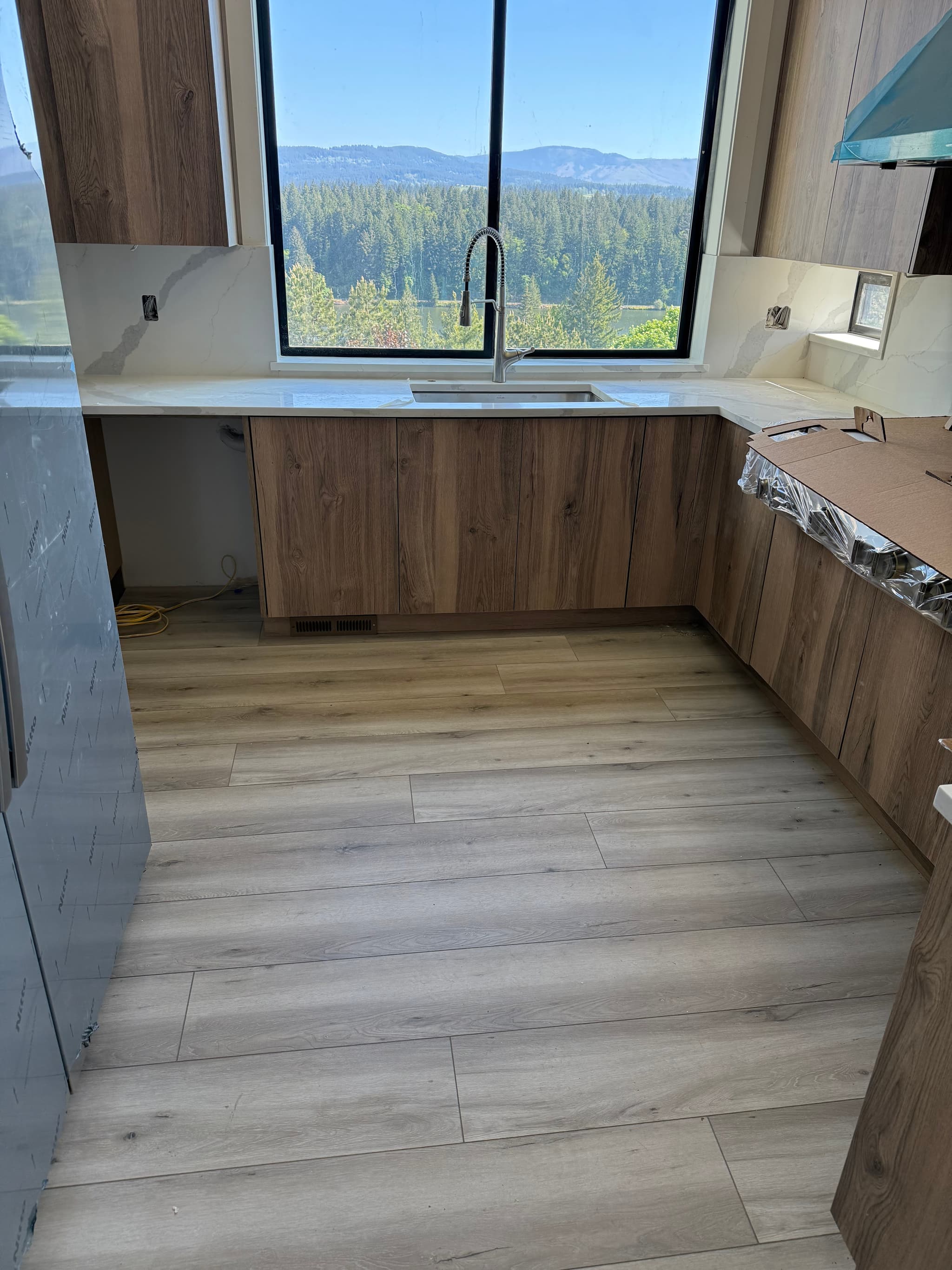
LVP vs. Hardwood: How Vancouver, WA Homeowners Should Decide
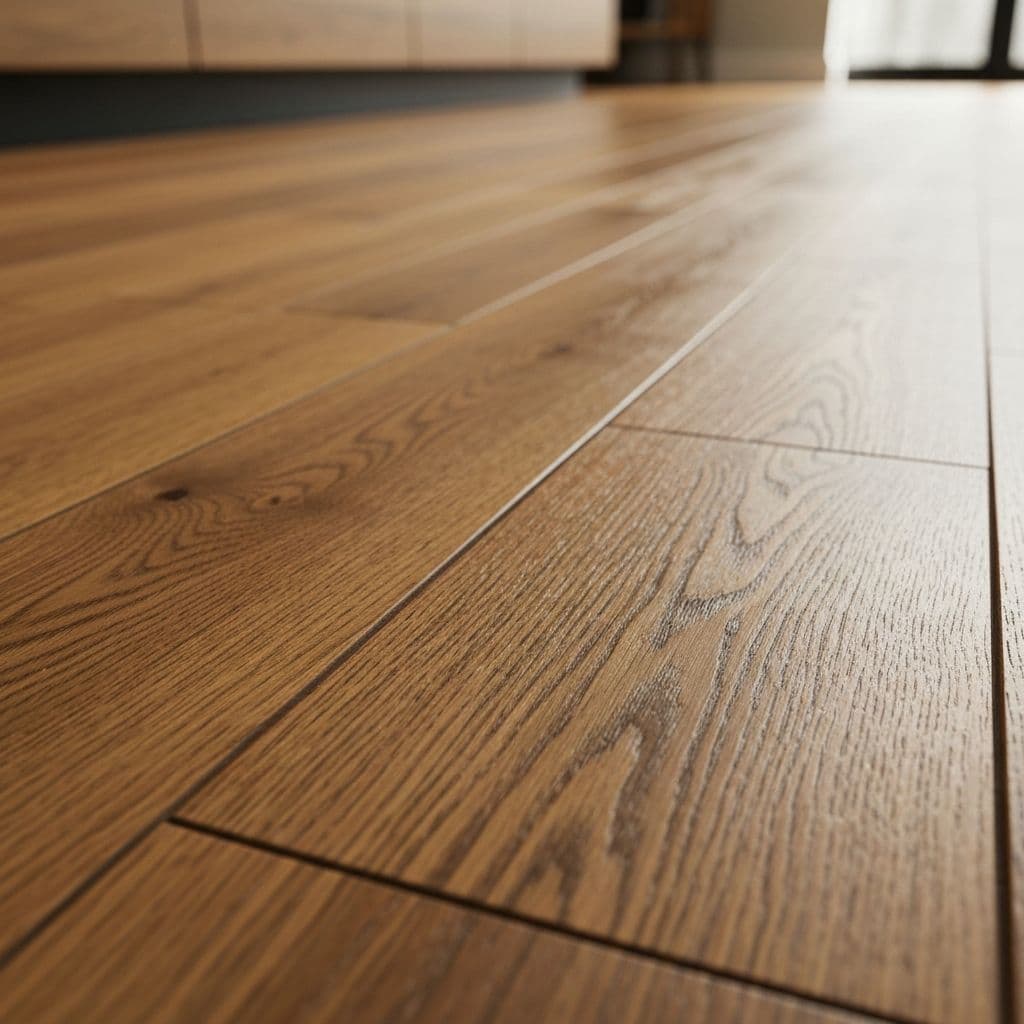
LVP (luxury vinyl plank) and hardwood — solid or engineered — are two of the most common flooring choices homeowners in Vancouver, WA weigh against each other. Both can look excellent, both can last a long time, and neither is objectively 'better' across the board. The right pick depends on the room, your household, and what you're optimizing for. Here is a balanced comparison to help you decide.
Durability
LVP's wear layer is designed to resist scratches, dents, and everyday wear, and it generally handles pets, kids, and heavy foot traffic very well without much visible damage. Hardwood is also durable, but it is a softer, natural material — it can dent under heavy furniture or sharp impacts, and it will show scratches over time, especially in high-traffic households with dogs.
The tradeoff is repairability: hardwood can be sanded and refinished to remove years of surface wear, essentially resetting the floor. LVP cannot be refinished — once the wear layer is damaged, the affected plank typically needs to be replaced.
Water Resistance
This is the clearest, most consistent difference between the two. Most LVP has a waterproof core, which makes it a strong choice for bathrooms, basements, entryways, and any space where spills or moisture are a regular possibility. How well the finished floor handles water still depends on the product, the subfloor and the installation.
Solid hardwood is the most vulnerable to water damage and is generally not recommended in consistently damp or moisture-prone rooms. Engineered hardwood is somewhat more dimensionally stable than solid hardwood thanks to its layered construction, but it is still a wood product and is not waterproof — standing water or chronic humidity will still cause problems over time.
Feel Underfoot
This one comes down to personal preference more than performance. Hardwood has a firm, solid feel that many homeowners associate with higher-end finishes, and it doesn't compress or flex underfoot. LVP has a slight give and is typically a bit warmer and quieter to walk on, especially with a cushioned underlayment — some homeowners prefer this, especially in kitchens or spaces where they stand for long periods.
Maintenance
LVP is low-maintenance day to day: regular sweeping and occasional damp mopping is generally sufficient, and it does not require refinishing or special cleaning products.
Hardwood requires a bit more care — avoiding excess standing water when cleaning, using furniture pads to prevent dents and scratches, and periodic refinishing over its lifespan (typically every several years, depending on wear and finish type) to keep the surface looking its best.
Longevity
Hardwood has the longer potential lifespan of the two, largely because it can be refinished multiple times over decades rather than replaced outright. A well-maintained hardwood floor can realistically outlast the homeowner who installed it.
LVP has a long lifespan for a resilient flooring product and holds up well for many years under normal use, but it does not have hardwood's refinish-and-restore option — when the wear layer is done, the floor is done.
Resale Considerations
Real hardwood flooring is generally viewed as a premium feature by buyers and appraisers, particularly in main living areas, and it's often cited as a selling point in real estate listings. LVP is increasingly accepted and expected by buyers, especially in kitchens, bathrooms, and basements where its water resistance is a practical advantage rather than a downside — but it typically isn't marketed as a luxury upgrade the way hardwood is.
In practice, many strong-selling homes use both: hardwood in main living spaces and LVP in wet or high-moisture rooms, rather than treating it as an either-or choice for the whole house.
Which Tends to Fit Which Situation
Since you're sourcing your own material as part of an installation-only project, this decision is really about matching the product to your room and household — not about what a showroom happens to be pushing that month.
- Households with pets or young kids — LVP tends to be more forgiving of scratches, accidents, and heavy play, with easier cleanup and less worry about damage.
- Basements and below-grade spaces — LVP is the more suitable choice, since solid hardwood is not recommended below grade and engineered hardwood carries more moisture risk than LVP in these spaces.
- Main living areas, primary bedrooms, and formal spaces — hardwood is a strong choice if you value its look, feel, and long-term refinishing option, and the room does not see regular moisture exposure.
- Budget flexibility — since you supply your own material, you can compare current pricing between LVP and hardwood products directly and choose based on what fits your project budget, rather than a bundled quote deciding it for you.
- Long-term ownership plans — if you plan to stay in the home for decades, hardwood's refinishing option may offer better long-term value in the rooms where it's suitable. If you're optimizing for durability and low maintenance over resale prestige, LVP is a very reasonable choice almost anywhere in the home.
How Skyview Flooring Can Help
Skyview Flooring LLC is a family-owned, installation-only flooring contractor operating in Vancouver, WA since 2007, licensed in WA and OR, bonded, and insured up to $2,000,000. We install both LVP and solid or engineered hardwood across Clark County and the Portland metro area. Since we don't sell flooring ourselves, we don't have a stake in steering you toward one product over another — we're happy to talk through your specific rooms and household and give you a straightforward installation quote once you've chosen the material that's right for your project.